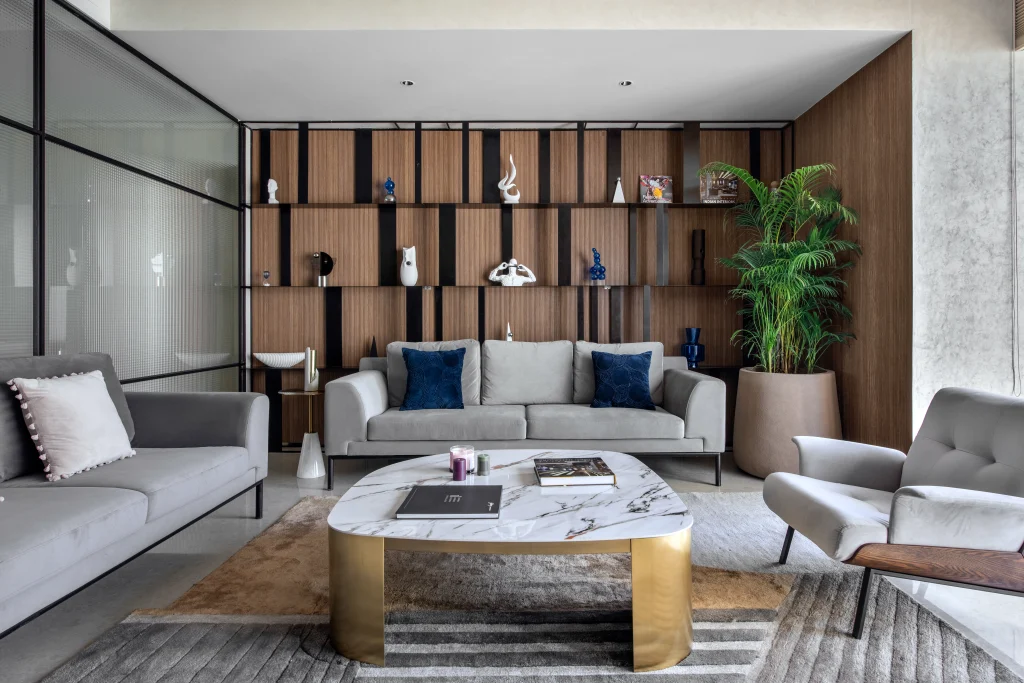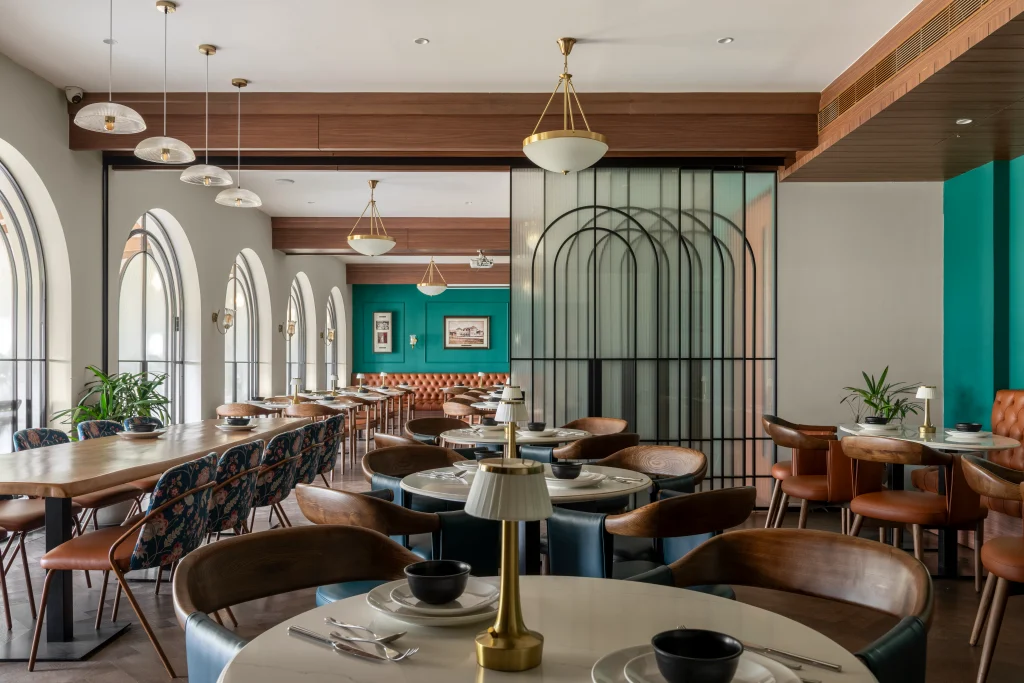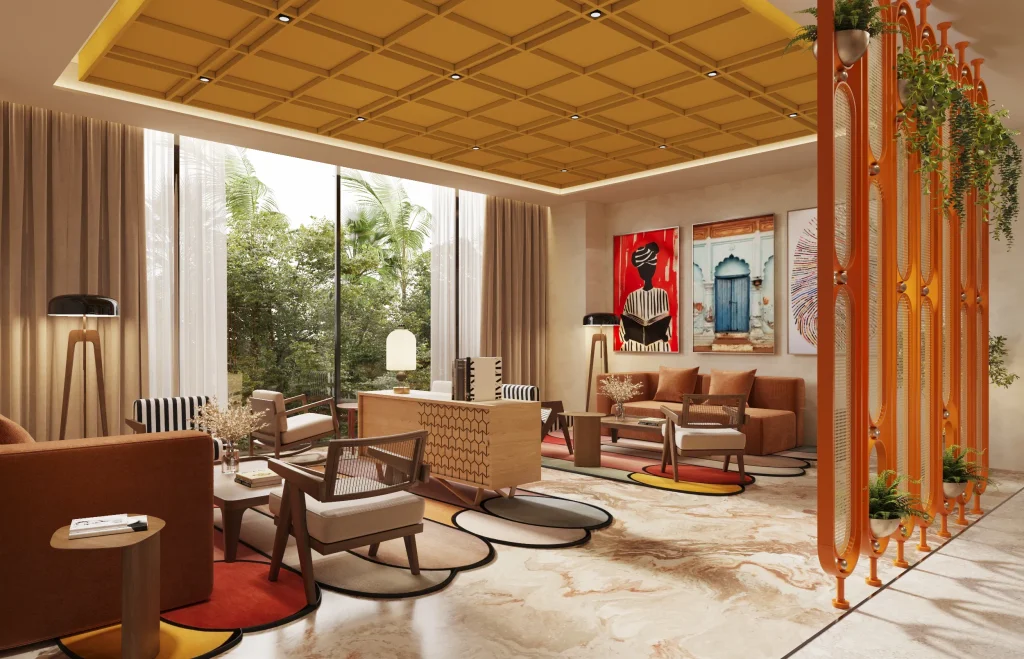
In a luxury home, architecture influences the interiors, interiors shape the furniture and lighting, and all of these elements eventually come together in the finished rooms. Every decision has a relationship with another — from the material selected at the beginning to the way it finally looks and feels when installed.
Traditionally, these decisions often pass through separate hands. An architect designs the shell, an interior designer develops the interiors, and a contractor takes the drawings forward into execution. As the project moves from one stage to another, decisions can become fragmented, and the design may have to be interpreted several times before it reaches the finished home.
A turnkey approach to interior design brings these stages together. From the initial plans through materials, furniture, lighting and execution, the same team carries the design forward to the finished home.
So, what does this connected approach look like in practice?
1. Keeping the Design Intent Intact Through Execution
The time between completing a design and finishing a home is where details can begin to change. Drawings may be interpreted differently, materials may need to be substituted, or furniture and finishes may have to be modified during execution. Each individual change may seem minor, but together they can affect the overall character of the space.
Turnkey interior design keeps design and execution closely connected. The team responsible for execution already understands the thinking behind the design — from the selection of materials and finishes to the relationship between furniture, lighting and architecture.
This is particularly important in a luxury home, where elements are often bespoke and closely coordinated. A change in one detail can influence several others — the finish of a wall may need to work with custom joinery, furniture dimensions may affect lighting positions, or a change in material may alter the visual balance of an entire room.
With the design and execution working together, such decisions can be considered in context rather than in isolation. This helps the finished home remain faithful to the character and intent established at the beginning.
2. Managing Changes Without Losing the Vision
Things do not always go exactly as planned once construction begins. A material may become unavailable, a structural condition may require a change, or a bespoke piece of furniture may need to be adjusted to suit the actual space.
When different teams are responsible for different stages, a change can create a disconnect. Replacing a specified material, for example, may solve a sourcing issue but also change the colour, texture or visual balance of a room.
With a turnkey approach, the team handling execution already understands the design as a whole. When a change is required, it can consider not only whether an alternative will work technically, but also how it will affect the surrounding materials, furniture, lighting and proportions.
This does not mean that a turnkey approach eliminates changes. Instead, it allows changes to be evaluated with a clear understanding of their wider impact.
That becomes especially valuable in luxury residences, where customised materials, finishes, joinery and furniture often have to work together with considerable precision. The objective is not simply to find an alternative, but to find one that works within the design.
3. A Single Line of Accountability
A luxury home brings together many people — architects, interior designers, contractors, specialist vendors, suppliers and craftsmen. Each may have an important role, but when these responsibilities are divided across different teams, the homeowner often has to coordinate between them when a question or change arises.
A turnkey approach brings these responsibilities together under one coordinated process. One team oversees the design and execution, giving the homeowner a clear point of contact throughout the project.
This makes it easier to address questions, coordinate decisions and resolve issues without repeatedly passing information between separate teams. More importantly, the people making execution decisions have a clear understanding of the design they are expected to deliver.
For the homeowner, this means being involved in the decisions that matter without having to manage every interaction between the different teams involved in delivering the home.
It is this continuity — between design, decision-making and execution — that makes the turnkey approach particularly relevant to luxury residential projects.
Traditional Design Approach vs Luxury Turnkey Design Approach
| Aspect | Traditional / Fragmented Approach | Luxury Turnkey Approach |
| Who manages the project? | Different firms may handle design, furniture, procurement and execution, requiring coordination between multiple parties. | One team manages the design and execution as a connected process, keeping the different elements aligned. |
| How are decisions made? | Decisions may be taken separately at different stages, with each team focusing on its own scope. | Related decisions are considered together, allowing materials, furniture, lighting and spaces to be developed as a whole. |
| How are changes handled? | Changes on site may need to be coordinated between different teams and can affect decisions already made elsewhere. | Changes are assessed by a team that understands the overall design, helping alternatives remain consistent with the intended outcome. |
| How are materials and finishes coordinated? | Selection, procurement and installation may involve different parties. | Materials and finishes remain connected to the design intent through procurement and execution. |
| How is the homeowner supported? | The homeowner may need to communicate with several teams across different stages. | A single team provides overall coordination and accountability throughout the project. |
Final Thoughts
Turnkey is ultimately about seamless execution from design to delivery.
A home begins with an idea, but it becomes a finished space through hundreds of decisions made along the way. Materials are selected, details are refined, furniture is developed, lighting is coordinated and every element eventually has to come together on site.
In a luxury home, these decisions cannot always be treated as separate tasks. The quality of one element can influence another, and the success of the final space depends on how well all of them work together.
When design and execution remain connected, decisions can be made with the finished home in mind — helping the original character and intent of the design remain present through to the final room.
For luxury homeowners, where spaces are often highly customised and expectations around detailing and execution are high, this continuity can make the difference between simply completing a project and delivering the home that was envisioned.
The BNK Group brings architecture, interior design and execution together through an integrated approach, carrying the design from the first concept through the many decisions that shape the finished home. The result is a more connected journey from design intent to execution — with every element working towards the same finished vision.